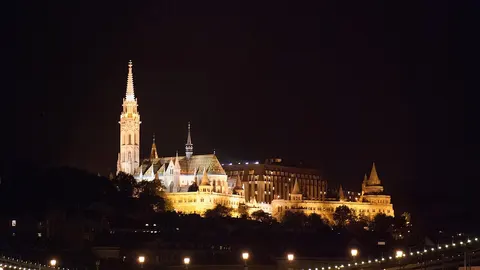
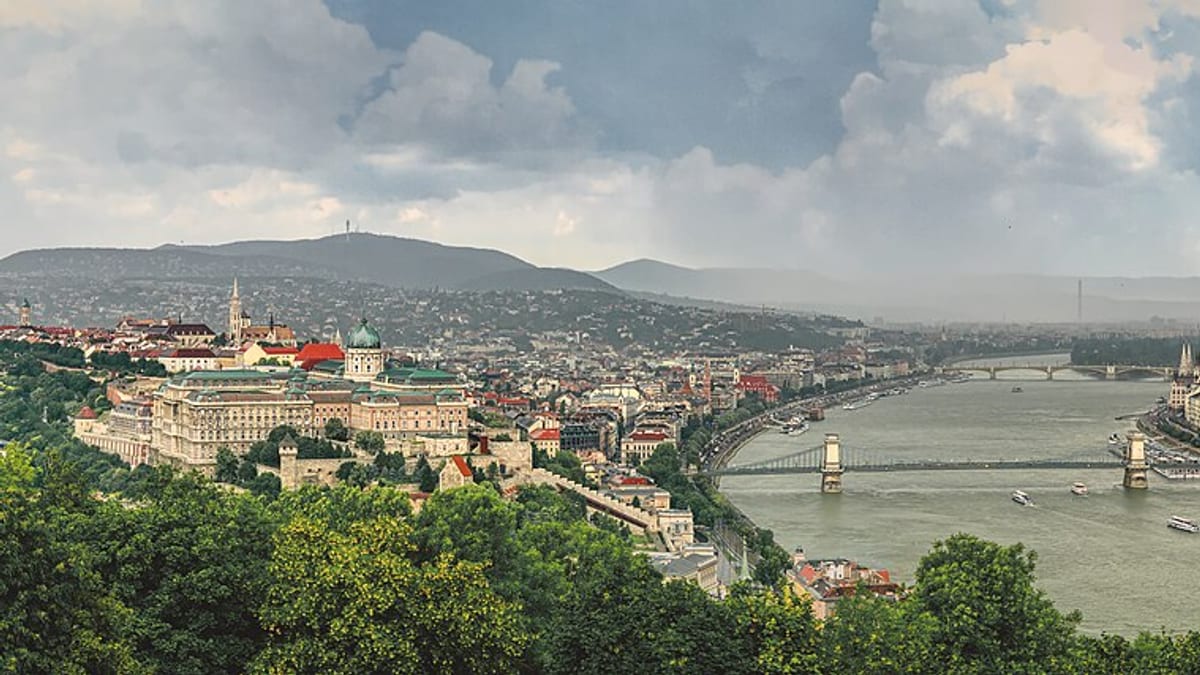
Budapest is worth visiting when you enjoy architecture, river views and a city break that can mix museums, bathing and unhurried meals. It is less suitable when you want every major sight within a tiny walking area or expect famous attractions to be uniformly inexpensive. Plan around the experiences you value, rather than the city's reputation as an automatic bargain. [1] [2]
The strongest reason to go is the city's setting
Budapest's appeal is not confined to one interior or monument. UNESCO's listed property brings together the Danube banks, the Castle Quarter and Andrássy Avenue, emphasizing the relationship between the urban landscape and different periods of development. [1]
That makes the city rewarding for travelers who enjoy looking carefully while moving through it. A museum can provide depth, but the streets and river setting remain part of the visit rather than merely the space between ticketed attractions.
The practical implication is that you do not need to buy an attraction bundle to justify the trip. Select one or two interiors that genuinely interest you, then allow time to experience the wider setting. A day built entirely from timed admissions can miss the very quality that made Budapest appealing in the first place.
On the other hand, someone who dislikes walking between dispersed areas should plan transport from the start. The city's scale is an advantage when you enjoy variety and a disadvantage when you want to do everything on foot without considering distance or terrain.
Baths add something distinctive, but they are not compulsory
A thermal-bath visit can give a Budapest trip a different rhythm from an ordinary museum-and-monument weekend. It asks you to stop sightseeing rather than keep moving through a list. Whether that appeals is a personal preference, not a test of whether you have visited the city properly.
Current conditions matter. Gellért Bath is closed for renovation, with reopening planned for 2028. Széchenyi has its own admission rules, including no ordinary visitor admission for children under fourteen. A family attracted by an old photograph needs to evaluate the actual options, not assume every famous bath remains available to everyone. [3] [9]
Széchenyi's ordinary Friday-and-weekend daily locker ticket is listed at HUF 14,800, with higher designated peak-period pricing. For two adults, that ordinary weekend admission totals HUF 29,600 before any separately purchased extras. The calculation makes clear why "Budapest is cheap" is not enough to decide whether the experience belongs in your budget. [4]
Choose a bath when you want to spend meaningful time there. Skip it without regret when you would rather invest that afternoon and money in art, food or a performance. A trip can be thoroughly worthwhile without reproducing every image associated with the destination.
It offers choices across a budget, not one universal price level
Public transport provides a useful counterpoint to the price of major paid experiences. BKK lists a HUF 2,750 24-hour travelcard and a HUF 5,750 72-hour travelcard, allowing visitors to plan ordinary covered journeys without purchasing a new single ticket each time. The airport express is a separate product. [2]
This creates room for selective spending. You might use public transport, enjoy exterior architecture and reserve the larger expense for one attraction. Another traveler might prefer a high-end hotel and a dinner cruise. Both are Budapest visits, but they should not be summarized with the same daily-budget claim.
Compare the final accommodation price for your dates, including the local tax arrangement, rather than applying a generic city average. District V and District II provide examples of different tourist-tax methods, illustrating why even a small fee needs the property's actual conditions. [5] [6]
The useful question is not whether Budapest is cheaper than every alternative. It is whether your preferred combination of lodging, meals and experiences is affordable on the dates you can travel. An attractive airfare can still produce an expensive weekend when the rest of the plan is built around premium purchases.
Two days introduce the city; more time changes the experience
I would allow two full days for a selective introduction and three for a more comfortable first visit. These are planning recommendations, not measured requirements. The difference is less about adding a long list of sights than about reducing the number of compromises within each day.
With two days, choose a Pest-focused day and a Buda-focused day, with one major interior or other booked experience on each. With three, add the bath, museum or neighborhood interest that would otherwise feel squeezed in. With longer, a day trip becomes easier to justify without replacing the main reason you came.
Do not confuse two nights with two full sightseeing days. A late arrival and early departure may leave only one useful day between them. Evaluate the actual hours available after airport transfers and accommodation arrangements before deciding that a brief flight deal provides a complete weekend.
The 100E airport bus runs around the clock, but its service and the journey from the central stop to your accommodation still consume time. Convenience does not make that part of the trip disappear. [7]
The season changes what kind of visit works best
Rather than searching for one perfect month, choose the activities that would make the trip worthwhile. A river-and-walking visit depends more on comfortable outdoor conditions than a trip centered on museums and performances. A winter visit needs a different balance, not a summer itinerary with a heavier coat.
The Hungarian meteorological service's Budapest climate information is useful for understanding seasonal patterns, but climate averages are not a forecast for your particular weekend. Use them for broad packing and trip-style decisions, then use the forecast closer to travel for the daily order. [8]
Avoid buying a season-specific experience on the assumption that it operates whenever the attraction's name appears online. A boat schedule, outdoor event or garden programme can have a narrower calendar than the surrounding city. The sensible approach is to make one such experience a deliberate choice rather than a hidden dependency in the entire trip.
Who is likely to enjoy it most
Budapest is a strong choice for travelers who like combining visual city exploration with one substantial experience each day. Architecture enthusiasts can use the different districts and periods as the organizing idea. Art-focused visitors can choose a museum programme, while others can give more attention to bathing, meals or the river.
It is a weaker match for someone seeking a completely compact, car-free resort-style stay where no transport decisions are needed. It may also disappoint a traveler whose only expectation is exceptionally low prices or unlimited access to famous interiors without reservations.
The strongest first visit does not try to settle whether Budapest is "better" than Vienna or Prague in the abstract. It asks which city best matches the trip you actually want. Choose Budapest when the combination of a broad river setting, varied urban areas and optional bath culture sounds appealing - and give yourself enough time to enjoy that combination rather than race through it.
Sources
- UNESCO: Budapest World Heritage property
- BKK: published fares and travelcards
- Gellért Bath: closure and planned reopening
- Széchenyi: ticket prices and conditions
- Government portal: District V tourist tax
- District II: tourist-tax rules
- BKK: Airport Express service
- Hungarian meteorological service: Budapest climate
- Széchenyi Bath: age restrictions, exceptions and visitor FAQ